The unique ways music education benefits academic performance
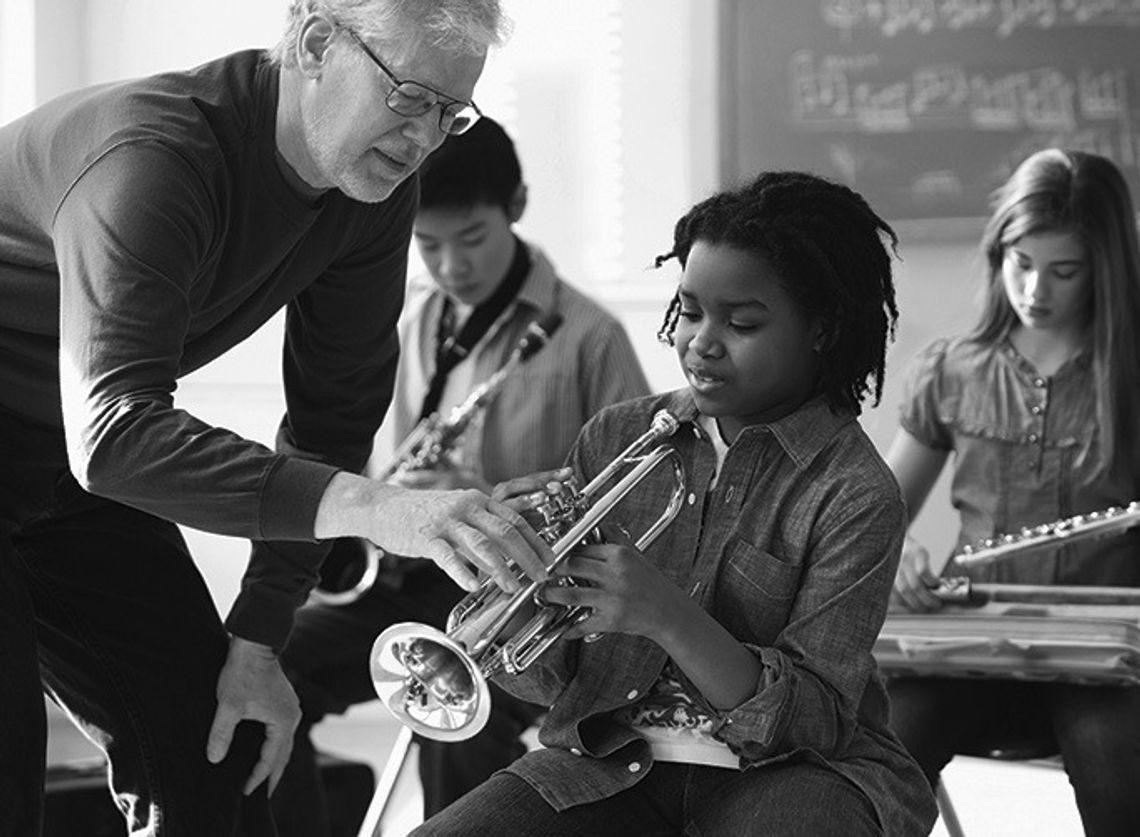
Education is a vital component of a successful life. The future is indeed limitless when children have access to the educational tools they need to thrive. While STEM has garnered increased attention in classrooms across the globe throughout the twenty-first century, music education should not be overlooked for its contributions to intellectual development.
A 2022 report from the Arts Education Data Project estimated that nearly 2.1 million American students had no access to any form of arts education, which includes dance, music, theatre, and visual arts. A similar deficiency is evident in Canada, where a 2023 editorial in the Calgary Herald noted a significant percentage of schools that seek financial support from the education charity MusiCounts have an annual music education budget of $500 or less. The decline of music education in classrooms is unfortunate, as the Community Music Center of Boston notes that music has been found to boost academic performance in a variety of subjects.
• Math: The CMCB reports that students who play an instrument perform better in algebra, which serves as a foundation for further studies in mathematics throughout high school and college. A 2019 study published by the American Psychological Association found that students who learned to play a musical instrument and continued to play in high school band and orchestra were the equivalent of roughly one academic year ahead of their peers in various subjects, including mathematics.
• Reading and language arts: The CMCB notes that studying music helps students improve their ability to read, write, utilize information, resources, develop their vocabulary, and edit their mistakes. According to Edutopia, an initiative of the George Lucas Educational Foundation, neuroscientists know that playing or learning to sing music is a parallel process to reading. As a result, many of the challenges music students encounter and ultimately overcome when learning to play or sing music can translate to classes that emphasize reading and language arts.
• Study habits: Learning to play a musical instrument is a challenging task that requires diligence and hours upon hours of practice. That discipline can translate to additional subjects by fostering a recognition among students that fulfilling their academic potential requires the same commitment to work outside the classroom (i.e., studying) that was necessary for them to learn to play an instrument.
Music education may no longer be a part of millions of students’ academic experiences. But a return to the days when that was not the case can benefit students in numerous ways.